
Start with who is getting in the car.
The model is the easy part. What decides whether a Japanese car works in Australia is the detail underneath: child restraint anchorages, mobility equipment, platform age rules, and which import pathway the car actually fits.
Why wait for one from Japan?
Whatever the use case, the question underneath is the same: can you find, check and afford a better example locally, or in Japan?
Bring us what you are considering locally and we will run the landed figure against it honestly - including when the Australian car is the better buy.
You see a full landed figure - shipping, customs, GST, compliance and our fee - before you commit to a ceiling.
Auction grade, condition notes, verified kilometres and the inspector’s sheet, translated. In-person inspection on selected vehicles where available.
We search across the Japanese auction houses instead of the few of that model listed locally this week.
Poor sheet, questionable repair history, or bidding past sensible money: we stop and wait for the next one.
Yes, importing takes longer. The reason to wait is to get the right car, with more information, rather than simply the first car available locally.
Five situations. The first three are the ones people most often get wrong, so each has a page of its own.
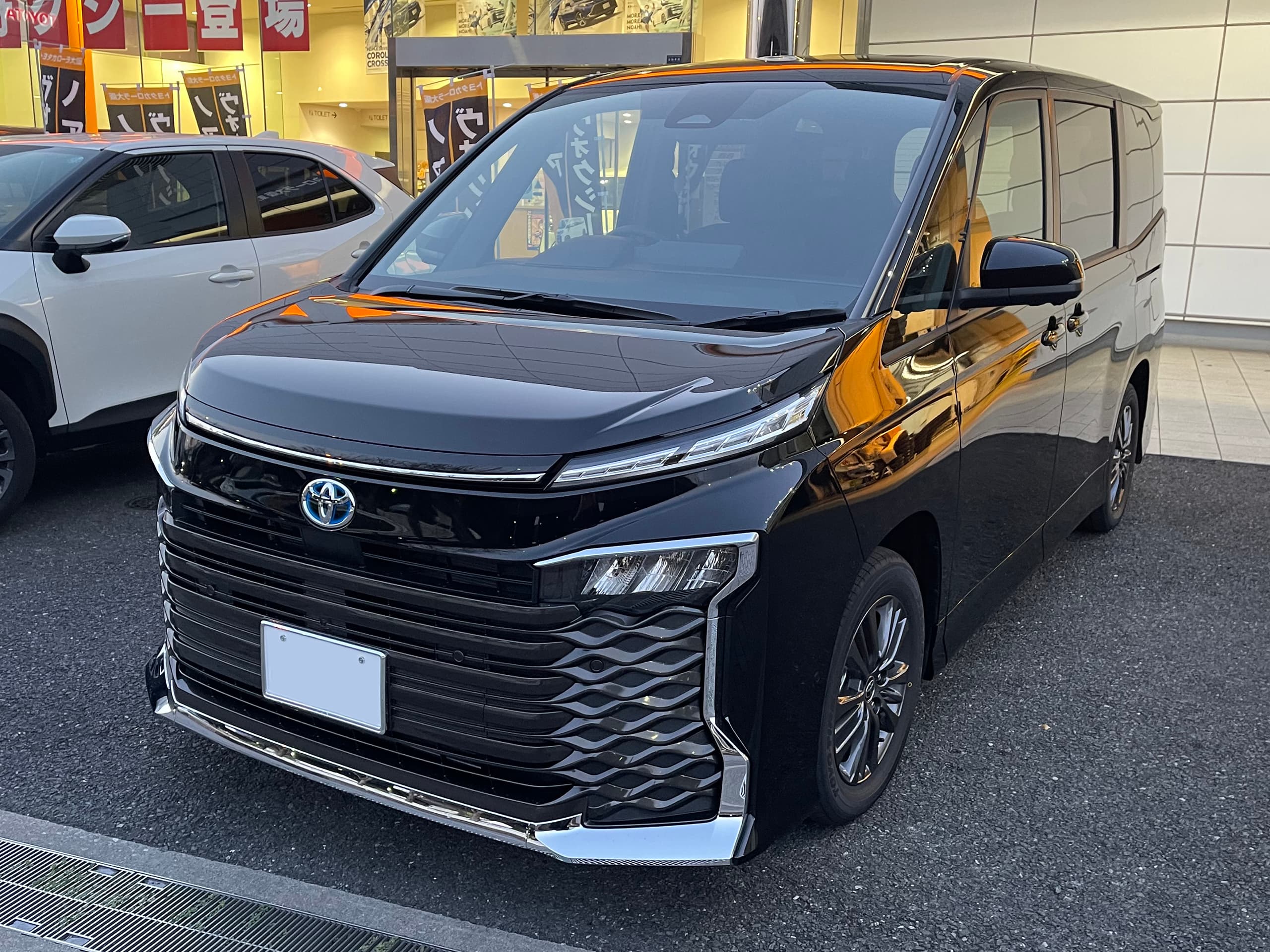
Noah, Voxy, Freed, Vezel and other practical Japanese family cars, with child-seat compatibility checked before bidding.
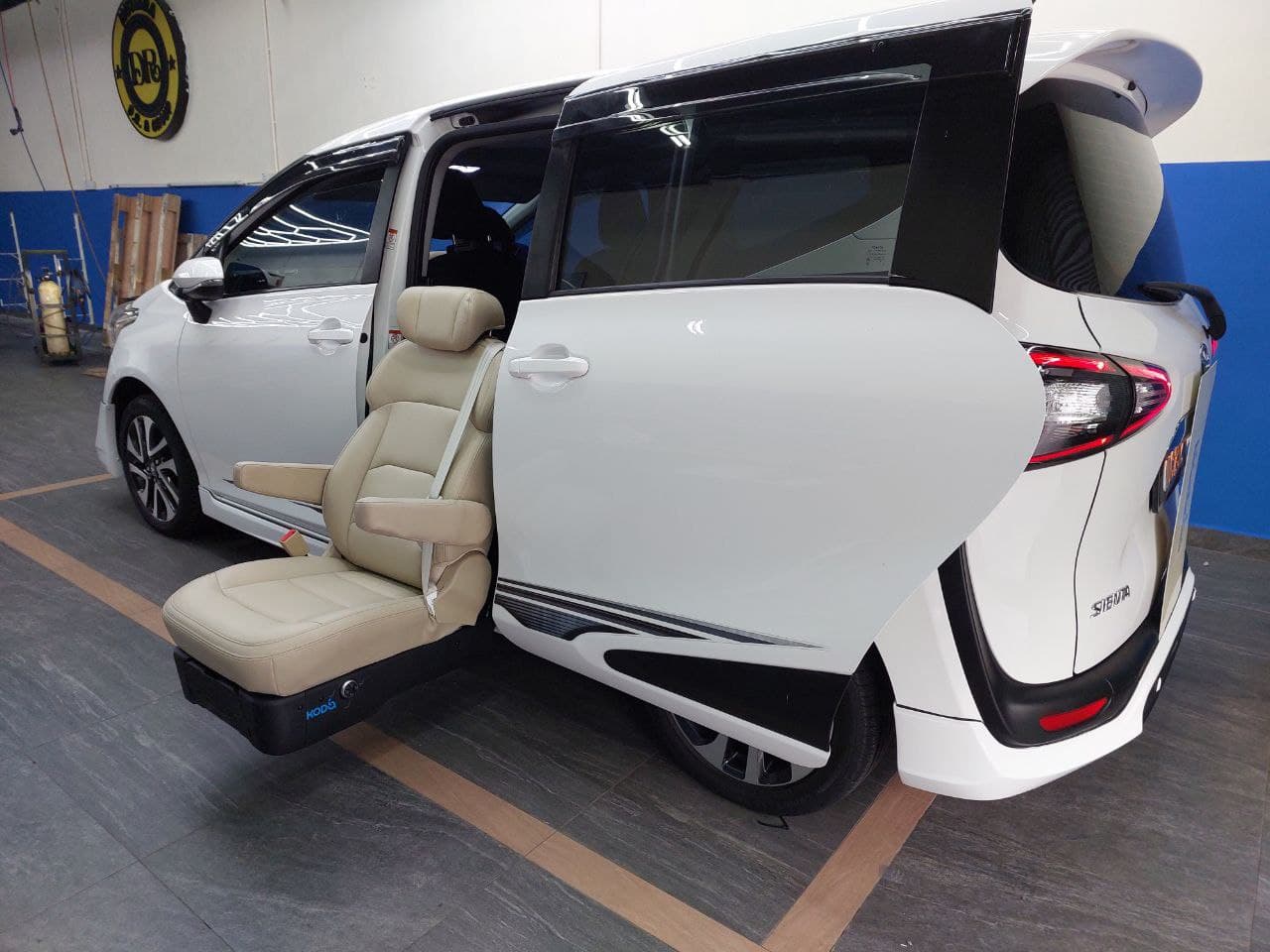
Toyota Welcab and Honda Almas use ramps, rotating seats and lift systems designed into the vehicle from the factory.
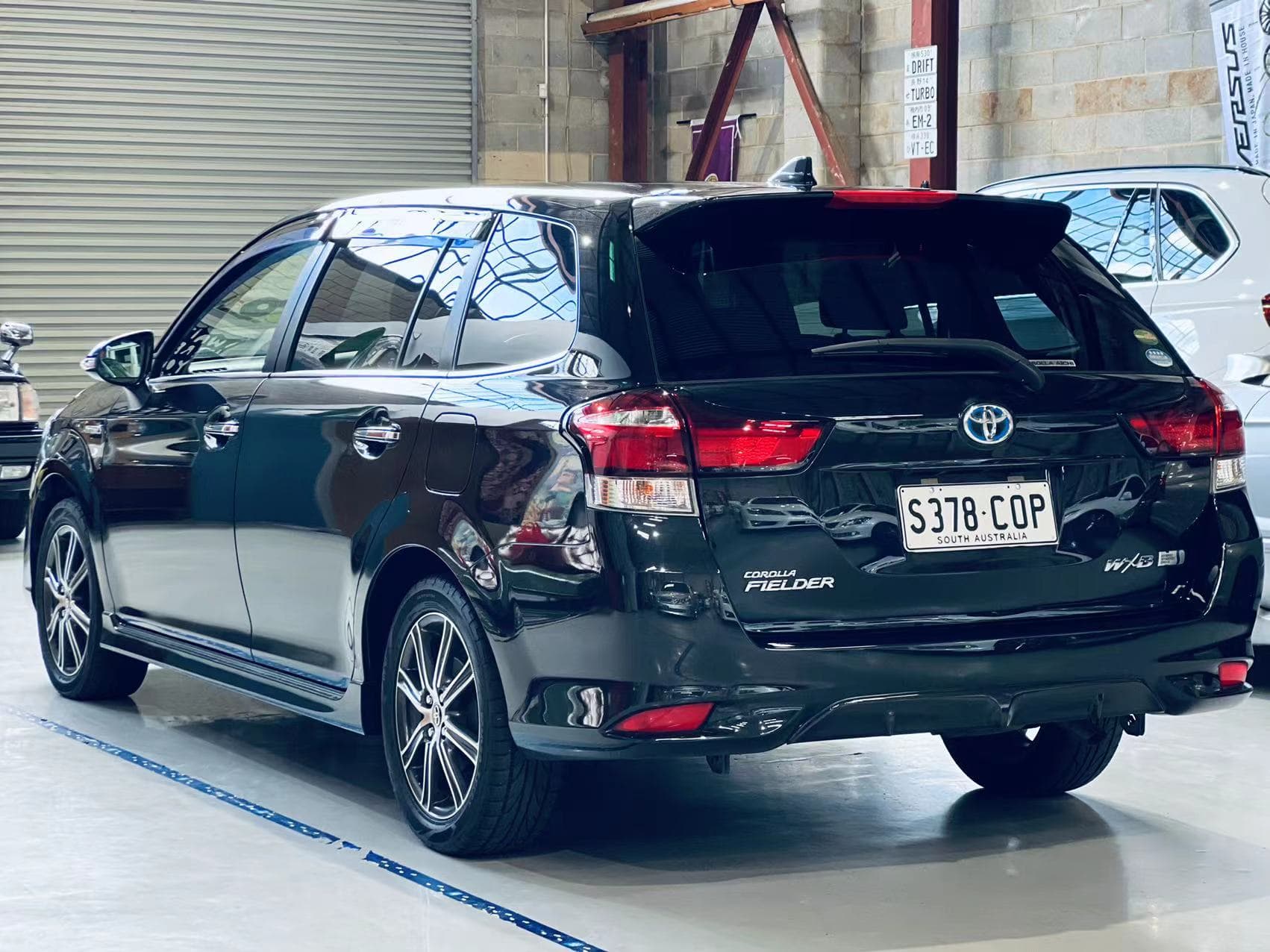
Platform age limits roll forward every January. A newer Japanese hybrid buys eligible years and cuts the fuel bill while it earns.